
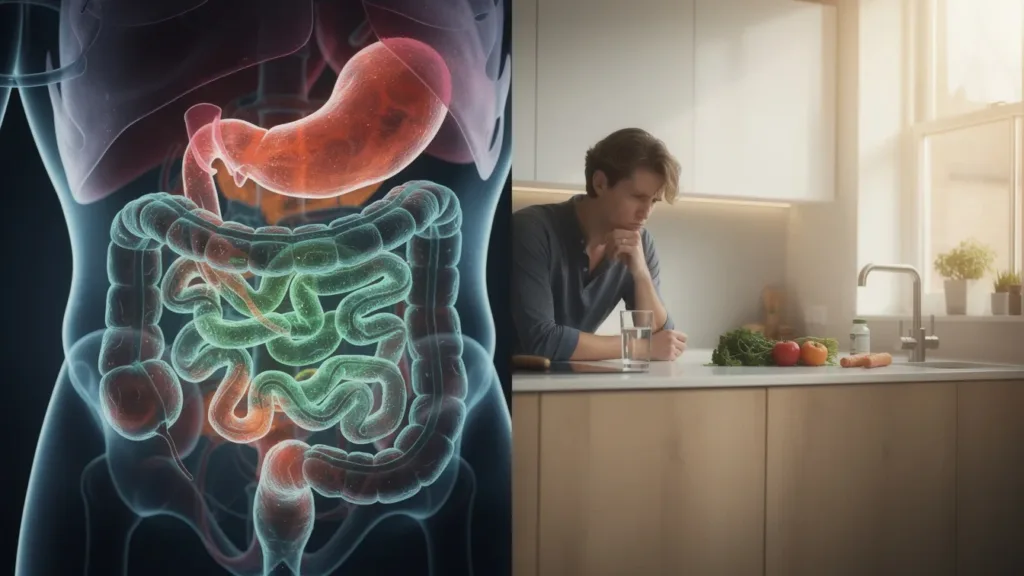

Ever felt like your emotions were on a rollercoaster? One minute you’re on top of the world, and the next, a single comment can send you spiraling. You might think it’s all in your head, but let’s have some straight talk: your gut health could be the culprit. As we dive into the *new year*, it’s time to explore how what’s happening in your belly affects not just your digestive system but your emotional regulation and overall mental health.
Highlights
- 🌱 The gut-brain axis explains the link between gut health and emotions.
- 🦠 Your microbiome influences neurotransmitter production, impacting mood.
- 🔥 Chronic inflammation from poor gut health can lead to anxiety and depression.
- 🥕 A diet rich in fiber and probiotics can nurture your gut health.
- 🔍 Exploring psychobiotics may offer new paths to emotional wellness.
The Gut-Brain Axis: A Surprising Connection
Let’s break it down: your gut isn’t just a food processor. It’s intricately connected to your brain through a system known as the gut-brain axis. Imagine this connection as a busy highway where signals zoom back and forth between your stomach and mind. When I first learned about this, it felt like a lightbulb moment. My own emotional swings started making sense.
This connection involves not just nerves, but also hormones and immune responses. For instance, the vagus nerve acts as a superhighway, contributing to the communication between these two critical areas. So, if you’re feeling jittery or anxious, it might not just be stress but a sign that your gut isn’t happy.
The Role of the Microbiome in Your Mental State
Did you know that your gut is home to trillions of microorganisms? Together, they form your microbiome and play a crucial role in producing key neurotransmitters, such as serotonin, the “happy hormone.” Here’s the kicker: almost 90% of your body’s serotonin is produced in the gut! It’s astonishing when you think about it. When my friend Sarah revamped her diet to include more fiber and fermented foods, she noticed a tangible boost in her mood. Coincidence? I think not.
But there’s a flip side. An imbalance in this microbial community—termed dysbiosis—can lead to mood disorders and increased anxiety. Imagine your gut as an ecosystem; when it’s disrupted, the fallout can extend to your mind. If you’ve ever experienced stomach problems coupled with stress, you’re not alone. Research shows this connection is deep and complex.
How Inflammation Affects Your Emotions
Chronic inflammation is often termed the invisible enemy in health discussions. When your gut becomes leaky, toxins can escape into your bloodstream, igniting this inflammatory response. This isn’t just about physical discomfort; it’s a chronic state that can lead to emotional distress, amplifying feelings of anxiety and depression. Think of inflammation as a storm brewing both in your belly and your brain—a chaos that clouds your thoughts and emotions.
During one of my own challenging periods, I learned this the hard way. A diet high in processed foods triggered noticeable symptoms of anxiety. It was only after switching to a more balanced approach—lots of fruits, veggies, and whole grains—that I started to feel more rooted. Such transformations underscore the importance of nurturing both your mind and your gut.
Nourishing Your Gut for Better Mental Health
So how do we tackle this? A diet rich in nourishing foods can be your best ally. Focus on incorporating:
- 🥗 Fiber-rich foods: Vegetables, legumes, and whole grains.
- 🥒 Fermented foods: Think yogurt, kefir, and kimchi.
- 🍌 Prebiotic ingredients: Garlic, onions, and bananas.
By prioritizing these foods, you start cultivating a happy gut environment. Tea and coffee enthusiasts might find solace in knowing that these drinks can support gut bacteria, too—just be mindful of the sugar!
Additionally, the concept of psychobiotics is gaining traction. These are specific probiotic strains designed to interact positively with your brain. As someone keen on holistic health, I find this approach intriguing. What if maintaining gut health could be as significant as traditional therapies? While research is ongoing, the prospect is promising.
Take Action and Transform Your Well-Being
As we step into this new year, why not prioritize your gut health for better emotional regulation? It’s about time we recognized the power of that often-overlooked organ beneath our ribcage. Consider keeping a food diary to track what feels right for you. Remember, it’s not just about the food you consume but how it interacts with your brain.
Don’t wait for another anxiety episode to re-evaluate your diet. Begin to explore how small adjustments can translate into significant changes for your mental health. Next time you’re tempted by that sugary snack, think about how your gut will feel. It’s worth it, trust me.
To sum it all up: your gut might just hold the key to understanding those overwhelming emotions. By tuning into this inner ecosystem, you can forge a pathway to a more balanced and joyful life. Let’s listen to our guts this new year!