
As winter settles in, the vibrant sounds of chirping and fluttering wings can feel like a distant memory. But what if I told you there’s a straightforward way to keep our feathered friends around all season long—without a single feeder in sight?
Highlights
- Grow native plants to sustain local wildlife and provide essential food sources. 🌿
- Set up a natural water feature that attracts various bird species. 💧
- Create shelter using dense shrubs and trees for safety against predators. 🌲
- Avoid harmful chemicals that can threaten local birds and their food sources. 🚫
A remarkable observation: a well-planned garden can attract more than 80 bird species without feeders! 🌍
We often think of bird feeders as the go-to solution for attracting birds. While they certainly have their place, they also bring challenges like maintaining cleanliness and avoiding diseases. As winter looms, why not consider a holistic approach to support our avian buddies?
Cultivating Natural Food Sources
The key to a thriving winter bird community is planting species that provide natural food without requiring constant restocking. Think native plants that have co-evolved with local wildlife. These plants attract insects that serve as a vital protein source for nesting birds, particularly during the breeding season. Imagine watching the flurry of activity around your flowering dogwoods or vibrant cherry trees.
Here’s a quick list of native plants to consider:
- Serviceberry (great for summer visitors)
- American beautyberry (supports over 40 bird species) 🍇
- Native holly for winter berries
- Sunflowers and coneflowers for seed-loving birds 🌻
By incorporating these plants into your garden, you’re essentially laying out a buffet for your feathered guests—one that’s sustainable and beautiful. The sight of a blue jay or a goldfinch fluttering through your garden is an undeniable perk!
Essential Water Features
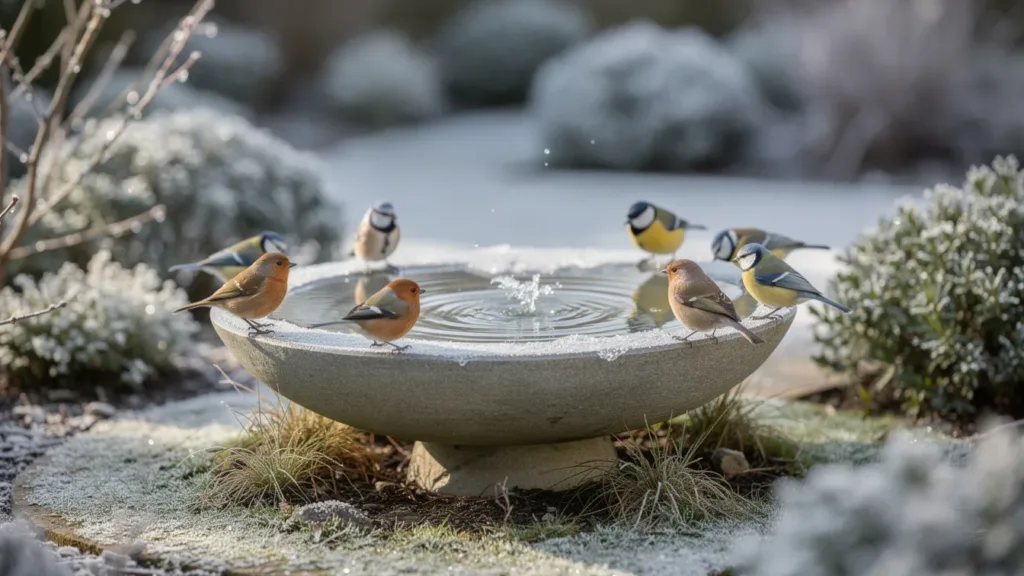
Water can often be more enticing than food! During winter, natural sources can freeze over, making a shallow birdbath or a simple water feature indispensable. A birdbath doesn’t need to be complicated; a few inches of gently sloping water will do the trick. Add some rough stones for grip, and you’ll soon see a steady stream of winged visitors swooping in.
Plus, consider adding a dripper or mister that creates the sound of flowing water. Birds are naturally drawn to the sound, and it’s like throwing a party—who wouldn’t come? Just remember to clean the bath regularly to keep algae and debris at bay.
Providing Safe Habitat and Shelter
Think of your garden as the ultimate retreat for birds seeking safety from predators. Dense shrubs and trees not only provide food but also act as crucial shelter. Evergreens, in particular, offer year-round coverage, ensuring that birds have places to hide from harsh weather and lurking hunters.
Who doesn’t love a little drama? Picture a small wrens nesting in a brush pile or flickers finding refuge in a standing dead tree, known as a snag. It might not be the tidiest addition to your garden, but wildlife thrives in environments with varied structures!
- Dense bushes like holly for cover 🌳
- Layered planting to mimic natural forest edges
- Brush piles for ground-foraging birds
Fostering such a dynamic habitat contributes to a healthier ecosystem and enhances your birdwatching experience. As they flit from branch to branch, you’ll find yourself mesmerized by their antics.
Maintaining a Bird-Friendly Environment
To truly nurture this environment, it’s vital to avoid harmful practices that could endanger your avian friends. Harmful pesticides and herbicides not only eliminate food sources but can also directly poison the birds that rely on those insects as nutrition.
Fostering a wildlife-friendly habitat is a balancing act; you want to encourage beneficial insects while keeping harmful pests at bay. Here’s how:
- Opt for organic gardening techniques 🌱
- Support natural pest control by introducing native plants
- Avoid letting your cat roam free to protect local bird populations 🐱
When everyone plays fair—plants, pests, and birds—you’ll see an uptick in wildlife diversity, which is the essence of a thriving garden.
Encouraging Nesting and Reproduction
Finally, if you want to take your garden from a seasonal wonderland to an all-year habitat, consider offering nesting materials and boxes. Birds are meticulous when choosing a home; providing them with the right materials will ensure they choose your yard as their summer residence!
Add a DIY nesting box crafted from untreated wood, or scatter some natural nesting materials like dried leaves or twigs. Studies show birds are more likely to nest in areas where they feel comfortable and secure. So encourage them by making it easy!
- Offer a mix of natural materials for nest building 🍂
- Keep an eye out for their nesting habits and create a supportive environment
With these steps, your garden will become a sanctuary for various birds through the winter and beyond. You not only create a refuge but also open up endless opportunities for birdwatching and appreciation. So, seize the moment and transform your space for the benefit of both you and them!
Take Action!
As we head into the colder months, now is the perfect time to make your garden a bird-friendly haven. Go native, create water features, and foster an environment that respects our feathered friends. By doing this, you contribute to wildlife conservation and enhance your own life with natural beauty and sounds. So roll up your sleeves—your garden awaits!