
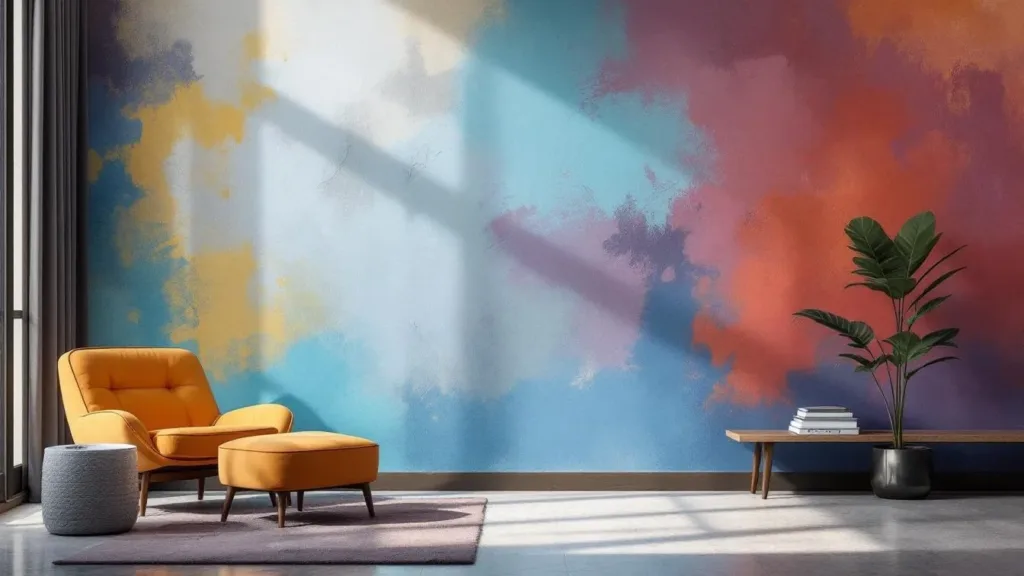

Have you ever painted a room, only to watch in horror as your chosen color morphs into a completely different shade once the sun sets? You’re staring at the wall thinking, “That’s not what I picked!” Trust me, you’re not alone in this bewildering experience. In fact, it’s a classic case of what experts call illuminant metamerism, and it can make even the most carefully curated color palette feel like a stroke of bad luck. Allow me, Dana, to take you through the swirl of color perception and lighting, so you can avoid the headache of mismatched hues and create a room ambiance that wows, day or night.
Highlights
- 🎨 Understanding how lighting transforms wall colors.
- 🌞 The impact of natural light vs. artificial light.
- 💡 Tips for choosing paint colors that work in varying lighting conditions.
- 🚪 How to preview paint colors effectively before committing.
Did you know that lighting can shift paint colors by several shades? That’s why choosing the right paint and understanding your light is crucial! 🕯️
How Lighting Affects Your Paint Choices
Understanding the interplay between lighting and color perception is vital for any homeowner. Think of it this way: the same dress can look pink in one light and white in another. Why? It’s all about how light interacts with color. The paint aisle may present you with a beautiful swatch, but what happens when the light changes? You might end up with a glow you didn’t intend on. Let’s unravel this phenomenon.
Natural light is your best friend when it comes to accuracy. Sunlight varies throughout the day, casting hues that alter how colors appear:
- ☀️ Southern-facing windows yield intense light, making pale shades appear duller and darker shades more vibrant.
- 🌅 East-facing windows bathe rooms in morning warmth, but can render deeper colors flat by afternoon.
- 🌇 West-facing windows give off rich evening light that can either enhance or overwhelm colors, depending on their tones.
Natural Light vs. Artificial Light: The Great Color Debate
Once the sun dips below the horizon, your choices in artificial light can dramatically change the perception of your wall colors. Here’s where it gets interesting. The color temperature of bulbs—measured in Kelvins—plays a significant role in how we perceive our painted walls:
- 🔆 Incandescent bulbs (2700K–3000K) provide cozy, warm tones but can make cooler colors seem warmer.
- 🔵 Fluorescent bulbs (4000K–6500K) create crisp light but might wash out warm colors, leaving them looking lifeless.
- 💡 LEDs offer a spectrum of warmth to cool, allowing for personalized lighting but can distort colors if they don’t match your paint’s undertones.
Essentially, the right bulb in a room can mean the difference between a color that blooms or crashes.
Practical Tips for Choosing Paint Colors
So, how can you ensure your chosen hue won’t go rogue under different lighting conditions? One word: preview. Lucky for you, I’ve got a set of tips that will save you from an oily paint disaster:
- 🎨 Test paint samples on different walls—this helps see how light interacts with color.
- 🕒 Observe your swatches at various times of the day to note changes.
- 🔆 Consider your current lighting; swap bulbs to see which complements the paint best.
- 🖌️ Use large swatches—bigger areas offer a better sense of color.
And don’t forget, paint can appear differently once it dries, so give it a little breathing room!
Making the Right Choice for Your Walls
Now that we’ve dissected the complex relationship between light and wall colors, you might be curious about how to create a well-lit, inviting atmosphere. Remember that your space’s ambiance is everything. The good news? With thoughtful color choices and smart lighting, it’s not just possible, it’s practically guaranteed!
Whether you’re redoing a single room or your whole home in 2026, approach your paint selection with confidence. Light isn’t static; it breathes life into your colors. So embrace the adventure and remember to observe your choices as day turns into night.
Your Actions Matter!
Feeling motivated? I challenge you to dive deeper into your home’s interior design potential. Experiment with color and lighting to find that perfect match. And don’t hesitate to come back for more tips on making your living spaces reflect who you are! Your home is your canvas, so paint it wisely!